We Built the Product. We Forgot to Build the Brand.
I came to India with one goal: to build a company.
I was always curious about technology, new innovations, and what could be built with them. Before starting my B.Tech, I had already learned website development and the fundamentals of programming.
Friends often asked me, "How do you know all this? What should I learn next?"
That question eventually became the starting point of Zobique.
I wanted to build an intelligent system that could guide students, help them understand their potential, and act like a personal career assistant.
I brought two talented classmates, Mohit Kholiya and Vansh Attri, on board as co-founders.
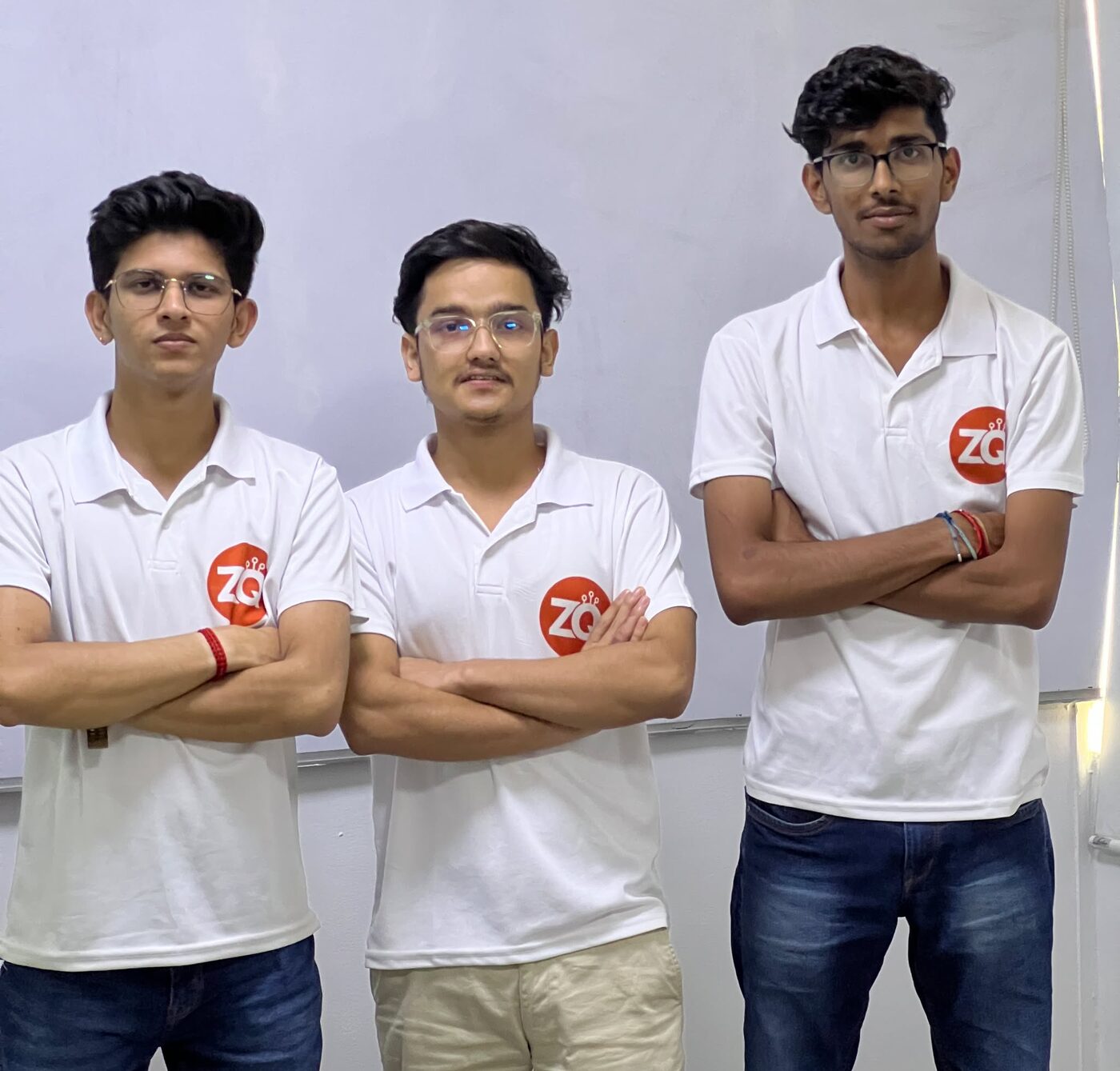
From college nights to government interest
We spent nights building algorithms and multi-agent systems while managing college assignments during the day.
Six months in, Vansh decided that the startup journey was not for him. Six months later, Mohit made the same decision.
Meanwhile, our product was gaining traction.
The National Career Service under the Ministry of Labour and Employment showed interest in integrating our algorithm into its existing portal. With support from Dr. Umesh Dutta, we got the opportunity to present our work to government officials.
The integration had to be ready within a week.
We delivered in four days what we believed would take a month. How the matching engine actually works is its own piece; this one is about what we got wrong on the business side.
This was before coding agents became reliable enough for everyday engineering. We built complex systems from scratch, learned by doing, and shipped under pressure.
Today, AI coding agents make engineers like us significantly faster. Instead of hiring interns for every repetitive task, we started using agents to build, research, and execute.
But we learned something more important than how to build software.
Our biggest mistake was not technical
We ran pilots with over 1,500 students. More than 50 students got placed through the ecosystem we were building.
Yet revenue remained a problem.
We had built the product, worked with institutions, and demonstrated technical capability. But we had neglected marketing, positioning, and brand building.
People did not know what Zobique was, who it served, or why they should pay for it.
Traction was not translating into a sustainable business.
Mohit eventually decided to move on as well.
I had come to India to build a company, not simply to earn a degree or secure a placement. So I continued.
Building Zobique Labs differently
I realized that founder survival comes first.
We shifted our focus towards Zobique Labs, providing technology solutions to businesses while using the revenue to fund research and product development.
We are not trying to be another traditional software agency that simply executes a statement of work and moves on.
We focus on the problem, what we ship, and the outcome it creates.
Today, we manage a team of five, work on real business problems, and continue exploring ideas that can become scalable products.
Some of the systems we have researched and built include:
- Lead-qualification agent: Automating business research and lead qualification.
- Voicenity: A cost-effective voice AI solution designed to support more than 40 languages.
- Unified CMS: Managing content across multiple websites from one dashboard.
Client work gives us exposure to real problems. Revenue gives us the resources to experiment. R&D helps us turn what we learn into products.
That is the model we are building around.
What I am building towards
I still love building technology. That has not changed.
What has changed is how I think about building a company.
A great product is not enough. Technical execution is not enough. Even real traction is not enough if you cannot turn it into a sustainable business.
You need distribution, positioning, customer trust, and a clear reason for people to buy.
I am still learning these things while building Zobique Labs.
The goal is simple: solve real problems, ship useful technology, and build products that businesses genuinely need.
We know how to build. Now, we are learning how to build a business around it.